Why Do Tigers Stop at Bali? The Wallace Line Explained

Bali had tigers. Lombok, the next island east, never did. Why a strait you can see across became the border animals respect, in fifty seconds of film.

Bali had tigers. Lombok, the next island east, never did. Why a strait you can see across became the border animals respect, in fifty seconds of film.

Archer Fish Overview Archer fish display remarkable hunting tactics and unique adaptations that enable their survival in various environments. Their evolutionary background and physical adaptations play a crucial role in their ability to hunt and thrive. Evolution and Ecology The archer fish is a type of teleost fish known for its specialized hunting techniques. It … Read more

Flightless birds are a fascinating group of avian species that have lost their ability to soar through the skies. These unique creatures come in all shapes and sizes, from the tiny Inaccessible Island rail to the towering ostrich. With over 60 different species spread across the globe, flightless birds have adapted to a wide range … Read more

Moose and wolves are vital parts of the Isle Royale’s ecosystem. We’re diving into how moose impact the environment there. Understanding ecosystems involves looking at the flow of energy and materials, like how moose and wolves interact with their surroundings. You’ll also learn how these processes fit into bigger ideas like deep ecology. This concept … Read more

Bali is a paradise for couples looking to immerse themselves in breathtaking scenery and serene natural spots. Discover the magic of Bali’s most picturesque locations that blend romance with stunning vistas. Whether you’re captivated by the fiery hues of a sunset at Uluwatu Temple or enchanted by the lush greenery of Tegallalang Rice Terraces, Bali … Read more
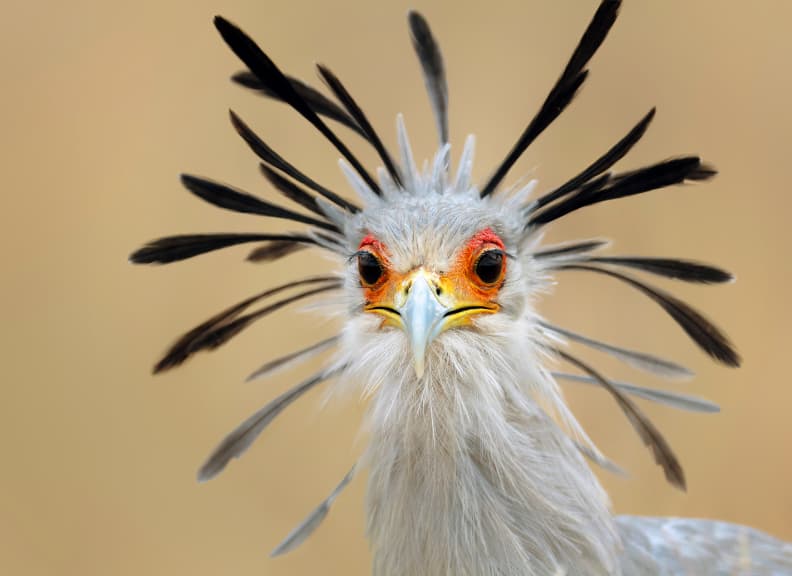
The Stilt-Walking Secretary Birds of Africa In the open African plains, there’s a bird so unique that it could have sprung from the pages of an explorer’s wildest journal. The secretary bird, with its long legs and quill-like feathers upon its head, is a sight to behold. It’s a bird that wears its name like … Read more

How do we inspire the Young People in our lives? I’ve been reflecting on this as we come towards the end of our time on the Viking World Cruise. Our lives have been filled with so many awesome experiences, stories and photos! What are the messages we want to convey to our friends and family? … Read more
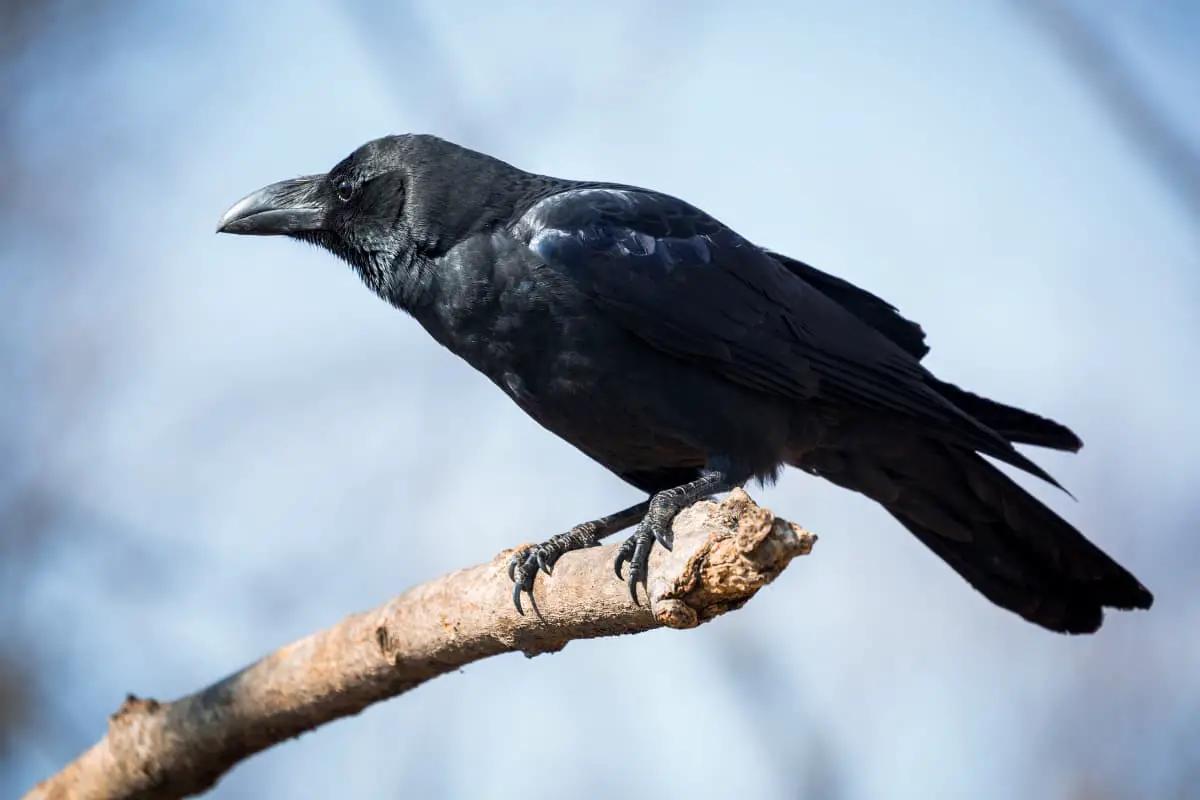
The Intelligence of a Crow Crows possess a remarkable level of intelligence that is evident in their behavior and social interactions. Their cognitive skills are on display when they encounter obstacles; they use a variety of strategies to navigate these challenges. For instance, they are known to select sticks as tools to retrieve insects from … Read more

Hi Friends, thank you for visiting! It is my great pleasure to join you for this exciting segment of the Viking Sky World Cruise from Asia to Africa and around the Cape to Lisbon, where we will disembark. I am one of your guest speakers on board and my focus is on the Natural Sciences. … Read more
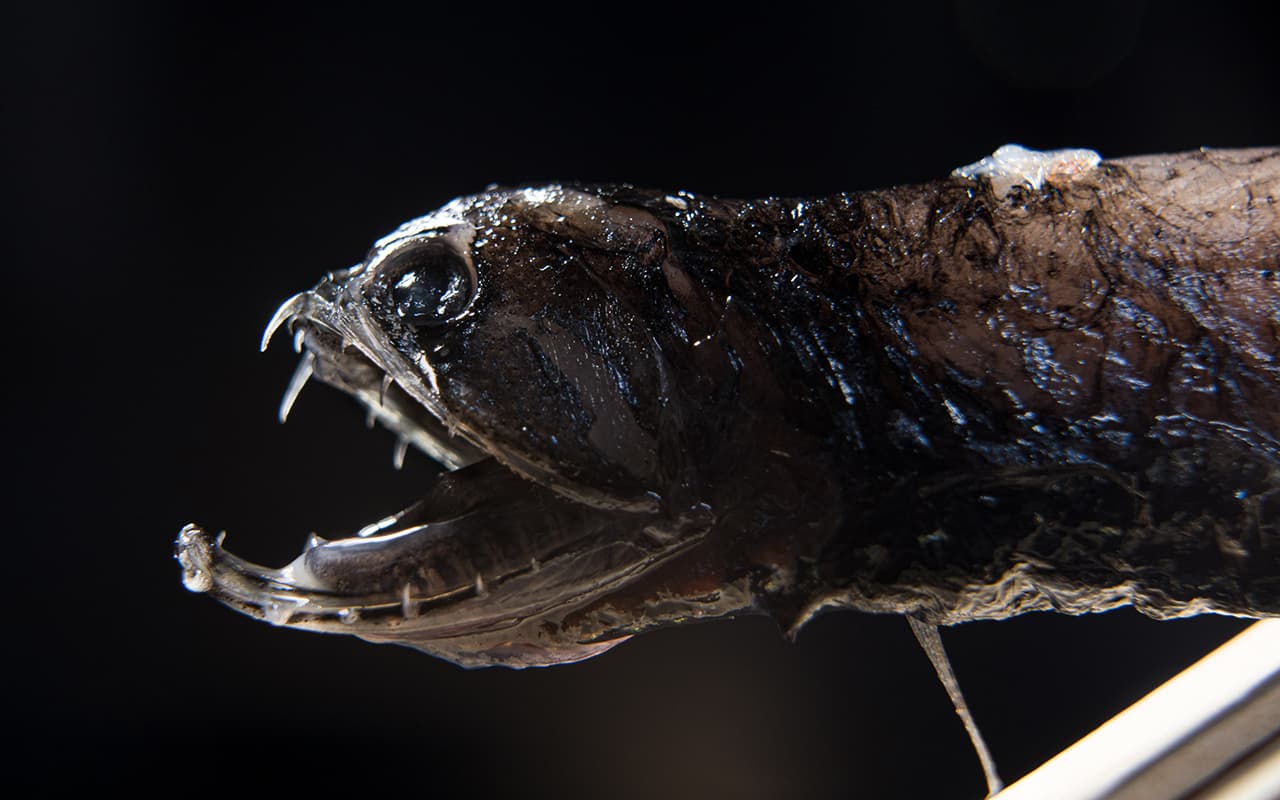
Diet and Hunting Deep-sea dragonfish have a diverse diet, primarily focusing on smaller marine life such as crustaceans and various types of fish. Their unique hunting techniques allow them to effectively find and capture prey in the challenging deep-sea environment. You may find it interesting to know that the deep-sea dragonfish possess specialized adaptations for … Read more
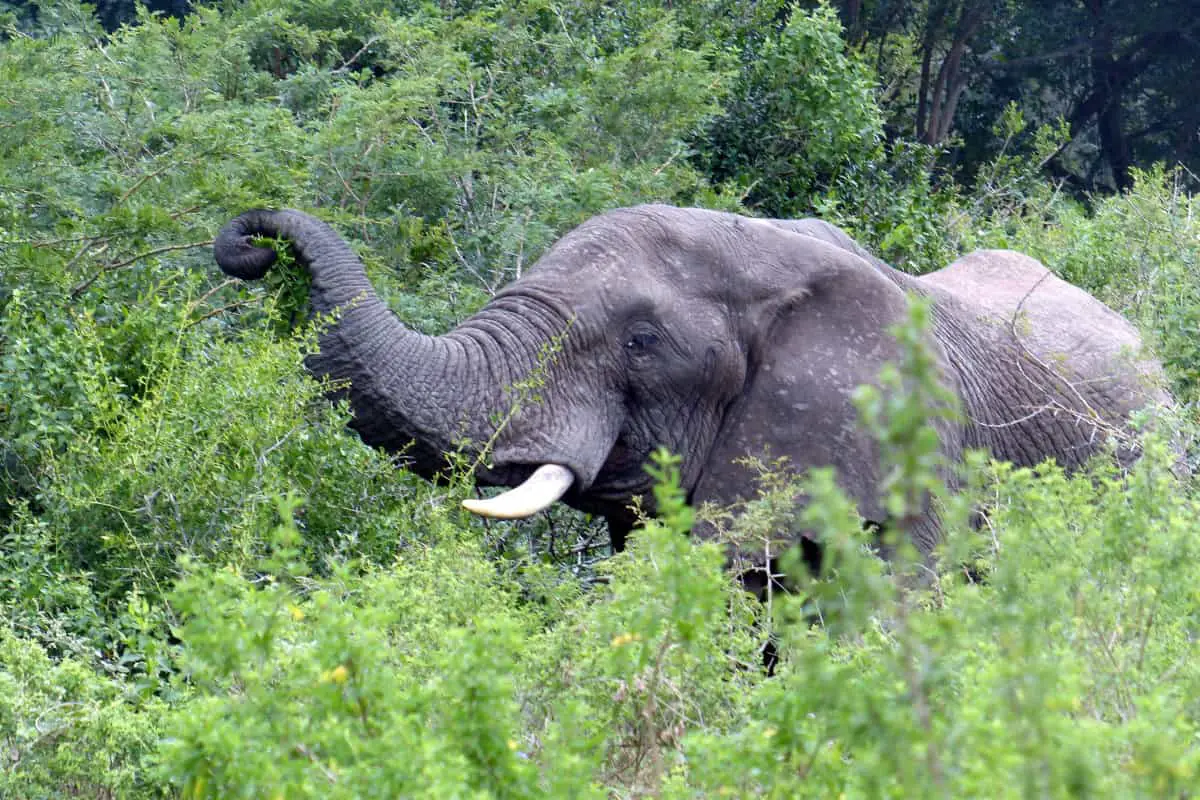
Anatomy of Elephant Trunks The elephant trunk, an incredible fusion of the upper lip and nose, is a testament to the extraordinary adaptations found in these majestic animals. The anatomy of an elephant trunk, which lacks any bones or cartilage, consists of a muscular hydrostat, a powerful arrangement of muscles that makes it extremely flexible … Read more
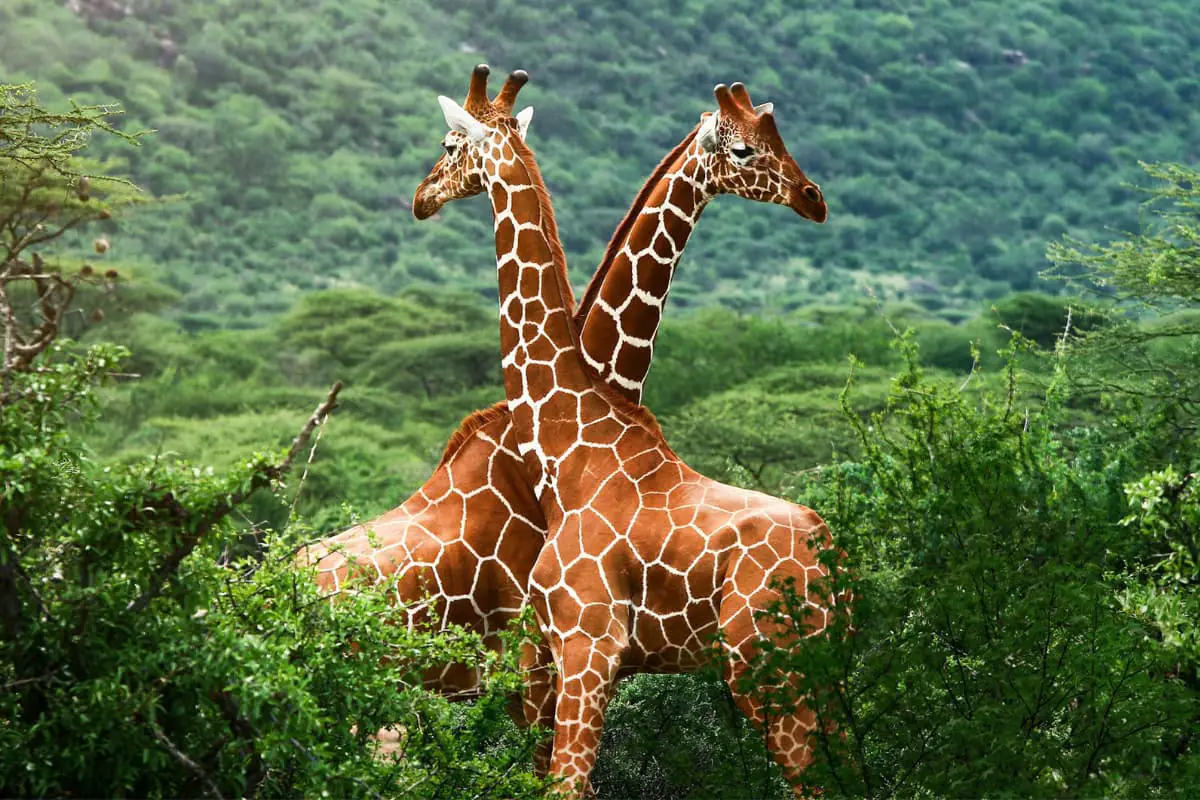
There is still some debate about why giraffes have long necks. The accepted theory has been that long necks evolved as as an adaptation to feeding in tall trees and to help giraffes spot predators. Another idea is gaining support; it is called the “necks-for-sex” hypothesis, which suggests that a primary driver for the evolution … Read more
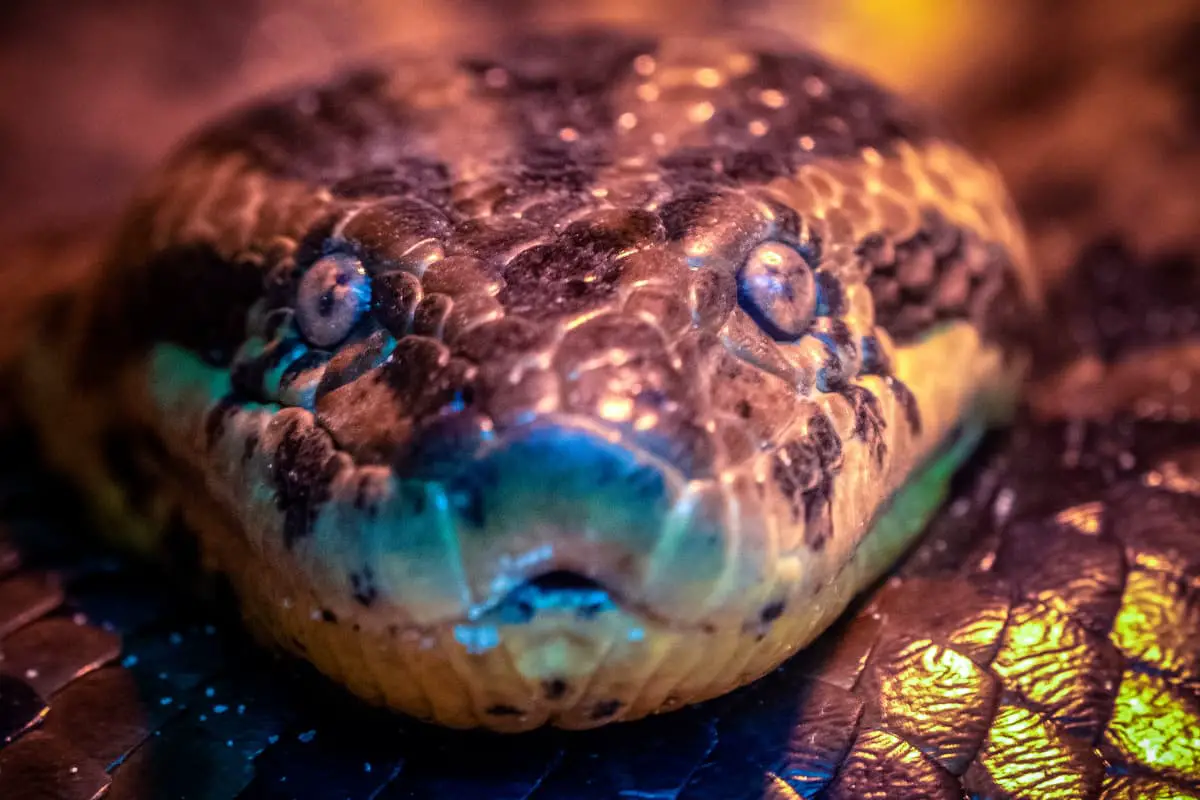
In recent years, it has been discovered that boa constrictors, anacondas, and other nonvenomous constrictor snakes kill their prey by inducing cardiac arrest rather than suffocation. This means that the constriction process is quicker and more efficient than previously thought. When these snakes wrap their coils around their prey, they apply pressure that essentially stops … Read more
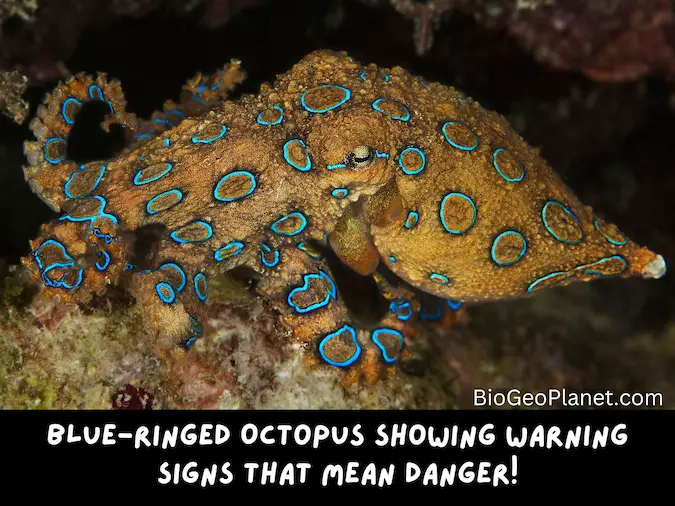
The Blue-ringed octopus only shows its bright blue rings when it is disturbed and ready to bite in self defense. This small marvel from Australia and the Western Pacific possesses enough venom to kill approximately 30 people, making the toxin 1,000 times more lethal than cyanide. Those who fall victim to its bite may not … Read more
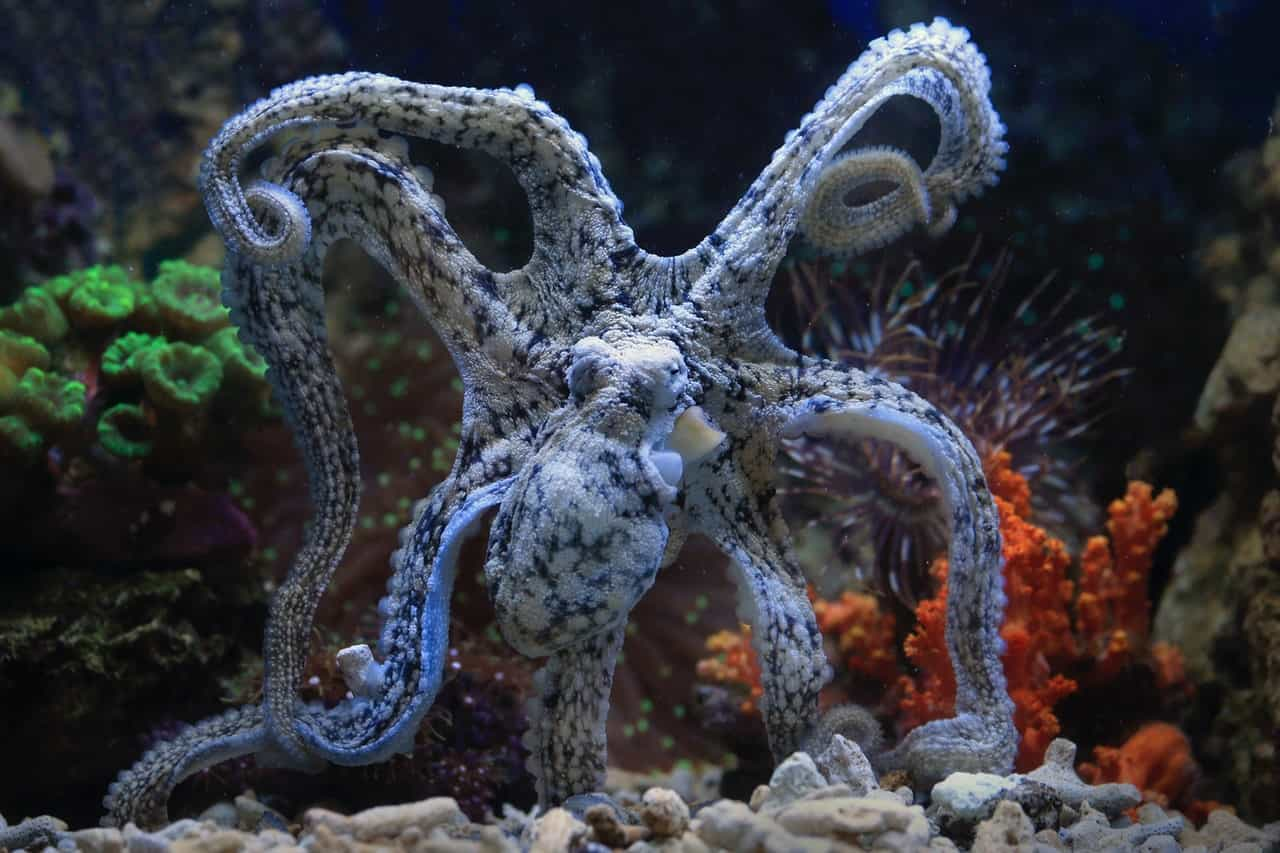
No, octopuses are not fish. They are mollusks, like clams and snails. In fact, octopuses are like super-intelligent, highly-evolved clams with eight arms rather than one foot! Octopuses, along with squid, cuttlefish, and nautiluses, are members of the class Cephalopoda, which belongs to the phylum Mollusca. Cephalopods are highly advanced and organized marine animals without … Read more